Canopy Pruning in Allentown, PA
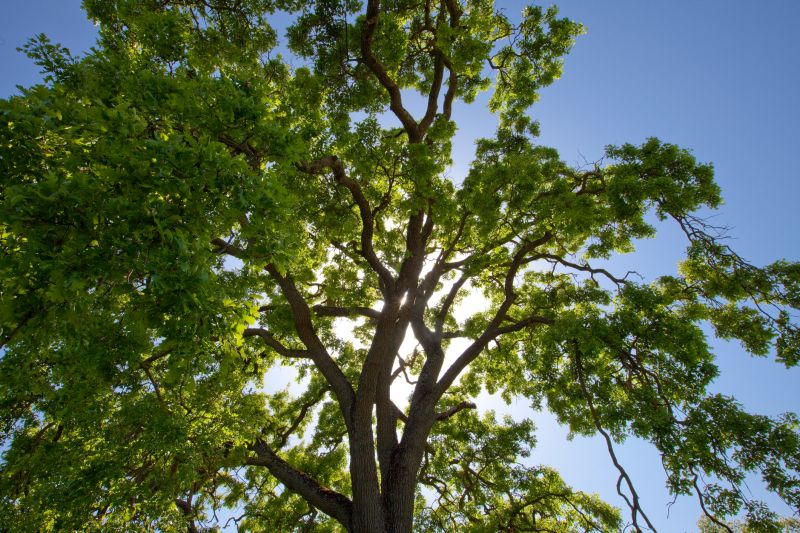
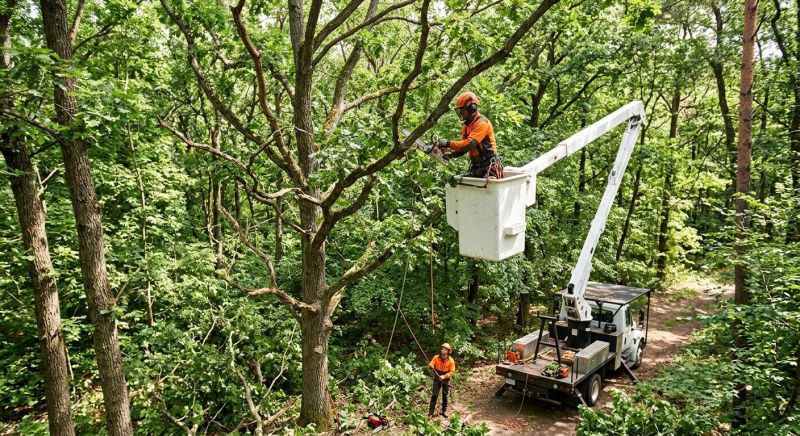
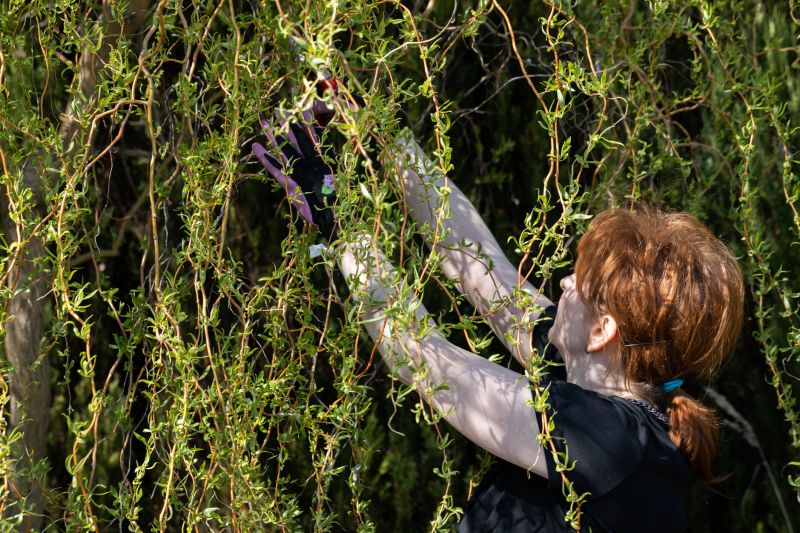
Canopy pruning services involve carefully trimming and shaping the upper branches of trees to promote healthy growth, improve safety, and enhance the overall appearance of a property. This type of pruning is often requested for trees with overextended or damaged branches, trees that obstruct views or structures, or when a property owner wants to maintain a balanced and attractive canopy. Projects can range from removing dead or diseased limbs to thinning out dense foliage or reducing the height and spread of trees to prevent potential hazards.
Homeowners interested in canopy pruning should consider the specific needs of their trees and property. It’s important to understand the extent of pruning required, the timing for best results, and any potential impact on the tree’s health. Property owners typically seek guidance on which branches to remove, how to shape the canopy for aesthetic purposes, and how to ensure the pruning supports the tree’s longevity. Contacting a professional can help determine the appropriate approach for each individual tree and landscape goal.
Many property owners in Allentown, PA look into Canopy Pruning for repairs, replacements, upgrades, and appearance-related improvements.
Benefits Of Canopy Pruning
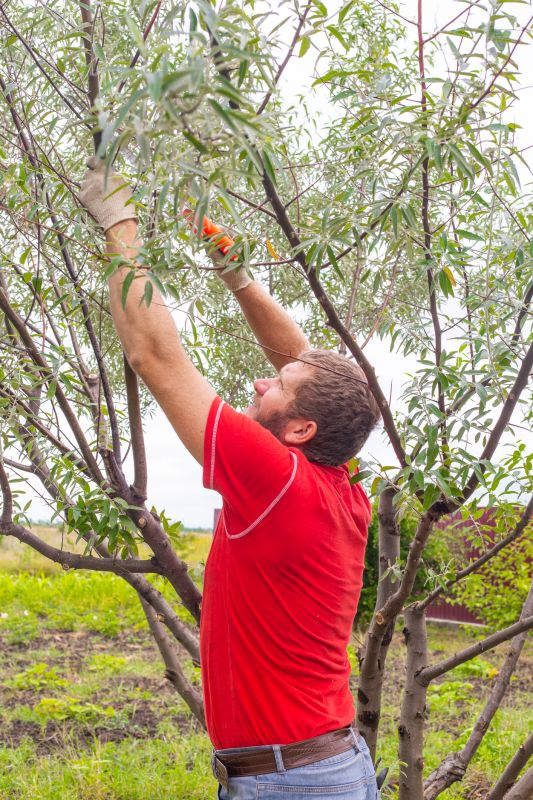
Proper canopy pruning enhances tree health and promotes balanced growth.
Common Canopy Pruning Techniques
Techniques include thinning, crown reduction, and shaping to improve structure and safety.
When To Consider Canopy Pruning
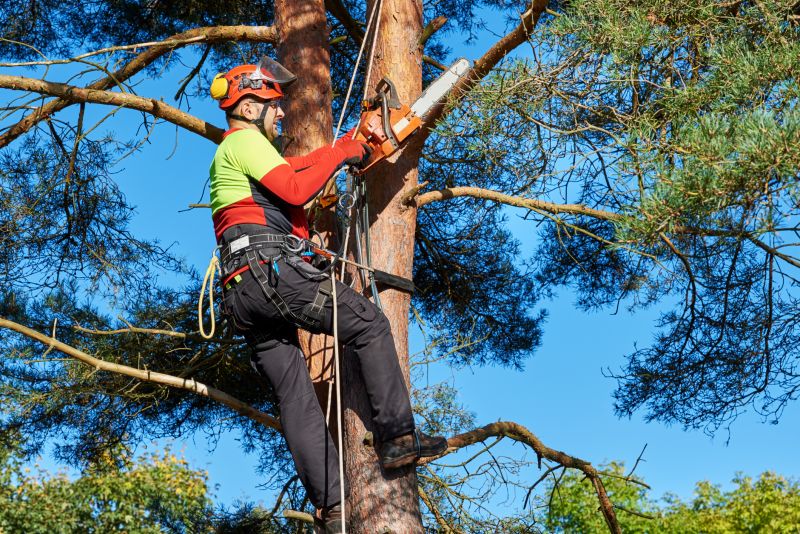
Canopy pruning is ideal for removing dead or hazardous branches and improving light penetration.
Canopy Pruning in Allentown, PA
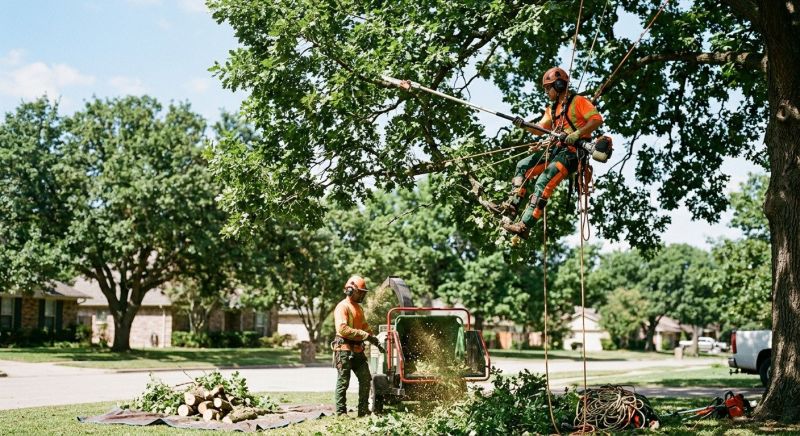
Canopy pruning services involve carefully trimming and shaping the upper branches of trees to promote healthy growth, improve safety, and enhance the overall appearance of a property. This type of pruning is often requested for trees with overextended or damaged branches, trees that obstruct views or structures, or when a property owner wants to maintain a balanced and attractive canopy. Projects can range from removing dead or diseased limbs to thinning out dense foliage or reducing the height and spread of trees to prevent potential hazards.
Homeowners interested in canopy pruning should consider the specific needs of their trees and property. It’s important to understand the extent of pruning required, the timing for best results, and any potential impact on the tree’s health. Property owners typically seek guidance on which branches to remove, how to shape the canopy for aesthetic purposes, and how to ensure the pruning supports the tree’s longevity. Contacting a professional can help determine the appropriate approach for each individual tree and landscape goal.
Many property owners in Allentown, PA look into Canopy Pruning for repairs, replacements, upgrades, and appearance-related improvements.
Common Canopy Pruning Jobs
Canopy pruning - helps maintain the shape and health of tree canopies.
Tree crown thinning - reduces weight and improves airflow through the canopy.
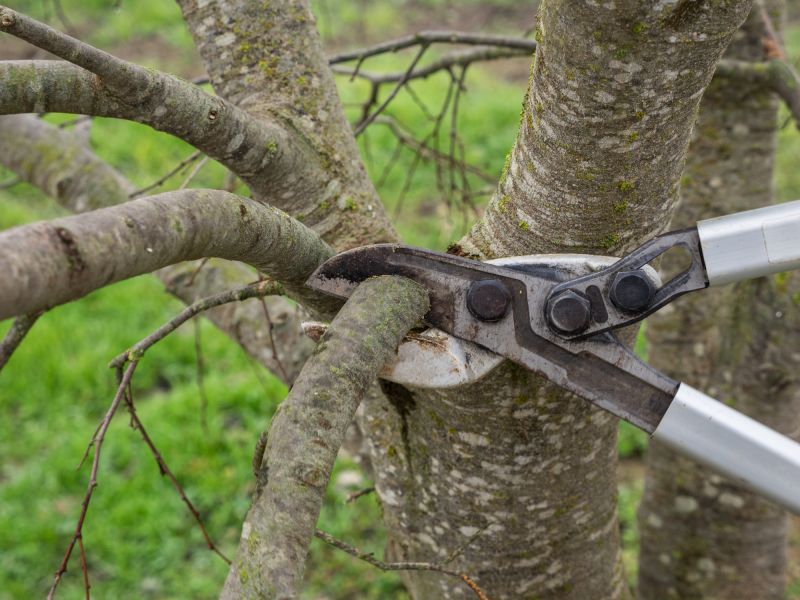
Selective branch removal - eliminates dead or crossing branches to prevent damage.
Structural pruning - corrects weak branch attachments for better stability.
Overgrown canopy reduction - restores balance and clearance for safety.
Fruit tree canopy shaping - enhances fruit production and tree vigor.
Canopy Pruning Questions
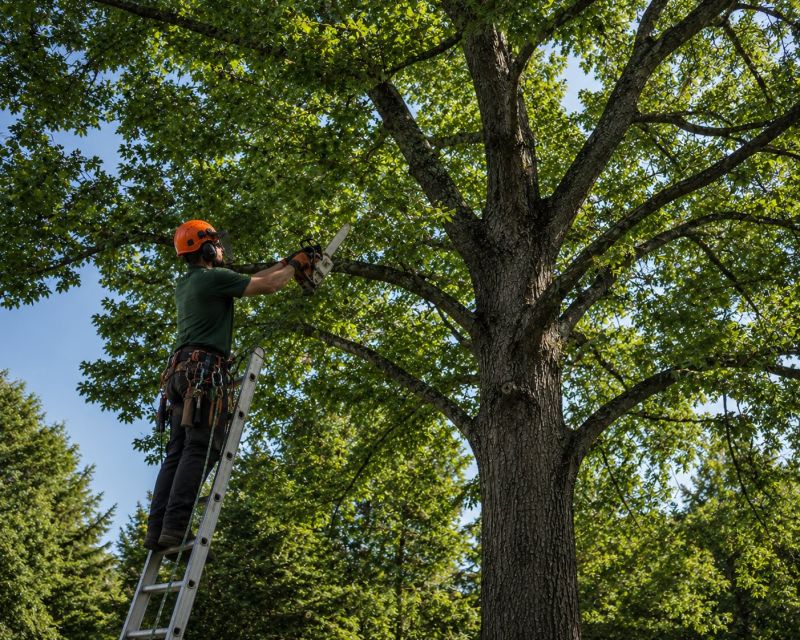
What is canopy pruning? Canopy pruning involves removing specific branches to improve tree health, shape, and safety by reducing weight and preventing hazards.
When should canopy pruning be done? It is typically performed during the tree's dormant season or when there are signs of dead, diseased, or overgrown branches.
What are common reasons for canopy pruning? Common reasons include removing dead or damaged branches, controlling size, and enhancing light penetration and air circulation.
Is canopy pruning safe for trees? Proper pruning techniques help maintain tree health and safety, reducing risks from falling branches or structural issues.
Request Canopy Pruning in Allentown, PA
Use the quote form on this page to share the basics of your project and request more information for the type of work you need.